Research on Chyulu Indegineous tree cover, for informed Apiculture solutions
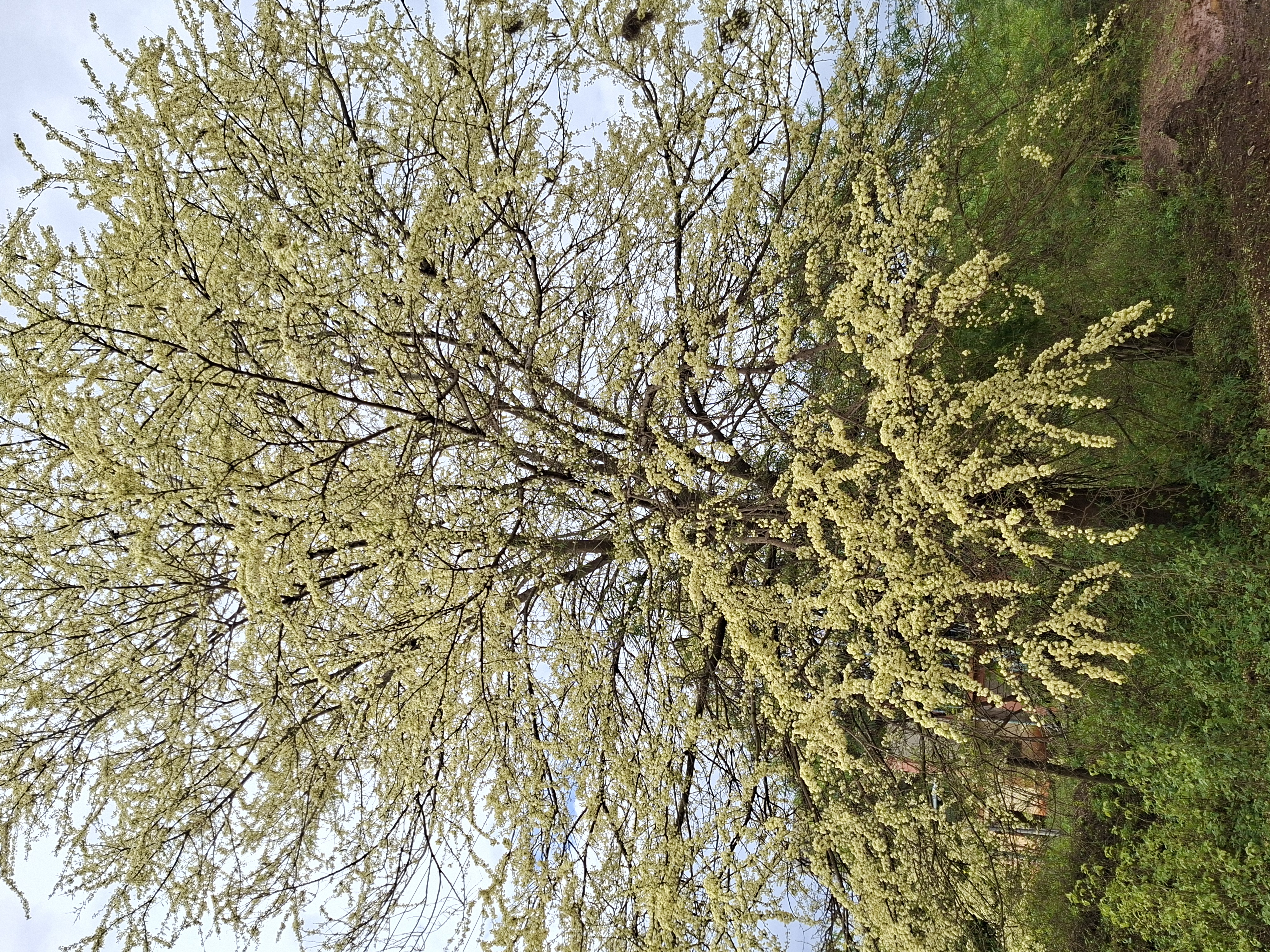
The flowering Black Acacia tree, globally known for best honey practices.
1st March 2026 to 30th March 2026.
Chyulu division spans an entire 509.9 square Kilometers of settlement land, adjacent an entire forest ecosystem that consists of Tsavo National Park Kenya and Chyulu hills water tower.
Our communities have been subjected to decades of exposure to Human- Wildlife Conflict, until year 2017 when our advocacy efforts led to electric fencing of the parks. The indegineous and marginalized communities also faced severe effects of climate change, with drought and floods extremeties hiting the farms each specific year.
Our interventions have been around strengthening policy levelnand locally- Led conservation initiatives, with a keen focus on supporting conservation and livelihoods' alternatives.
With adoption of agroforestry, FMNR, Fruit farming and Apiculture, the Community ecosystem is gradually reshaping into a well balanced nature, as farmers stretch towards nature positive capacities.
Under the support of Global Resilience Partnership, our enterprise team from Chyulu Honey Processors is undertaking a grassroot research, to map the rich ecosystem tree species within the division, to inform The Chyulu honey quality standard plan.
Globally, honey that is foraged from a wide net of natural, indegineous tree cover, fetches more demand.
Proudly,
We seek to influence the livelihoods of our farmer communities through profitable, resilient and nature- positive opportunities.
Chyulu division spans an entire 509.9 square Kilometers of settlement land, adjacent an entire forest ecosystem that consists of Tsavo National Park Kenya and Chyulu hills water tower.
Our communities have been subjected to decades of exposure to Human- Wildlife Conflict, until year 2017 when our advocacy efforts led to electric fencing of the parks. The indegineous and marginalized communities also faced severe effects of climate change, with drought and floods extremeties hiting the farms each specific year.
Our interventions have been around strengthening policy levelnand locally- Led conservation initiatives, with a keen focus on supporting conservation and livelihoods' alternatives.
With adoption of agroforestry, FMNR, Fruit farming and Apiculture, the Community ecosystem is gradually reshaping into a well balanced nature, as farmers stretch towards nature positive capacities.
Under the support of Global Resilience Partnership, our enterprise team from Chyulu Honey Processors is undertaking a grassroot research, to map the rich ecosystem tree species within the division, to inform The Chyulu honey quality standard plan.
Globally, honey that is foraged from a wide net of natural, indegineous tree cover, fetches more demand.
Proudly,
We seek to influence the livelihoods of our farmer communities through profitable, resilient and nature- positive opportunities.
Photo Gallery
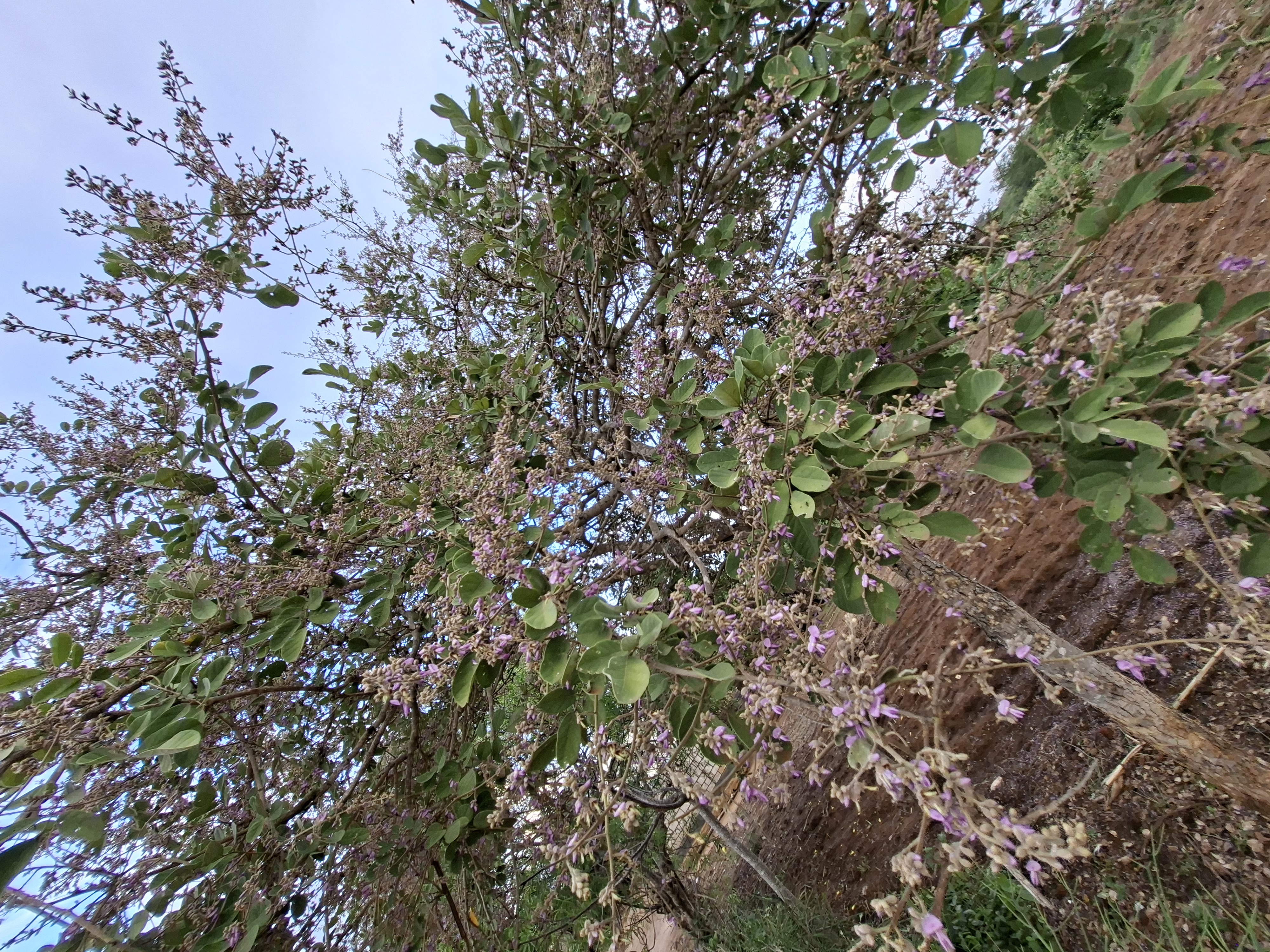
Indegineous flower varieties providing bees a wide foraging ground
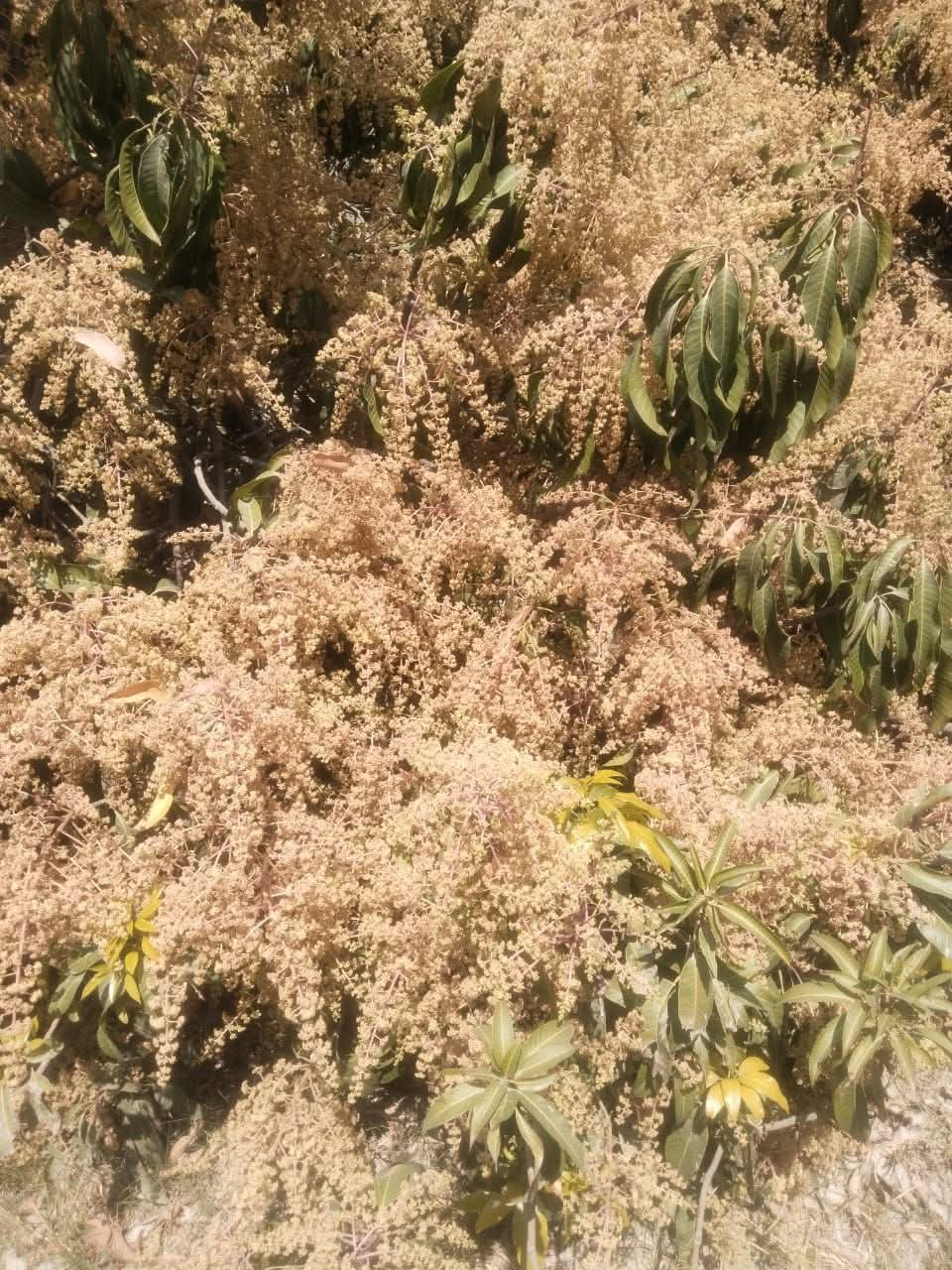
Flowering fruit trees as part of forage zones.